
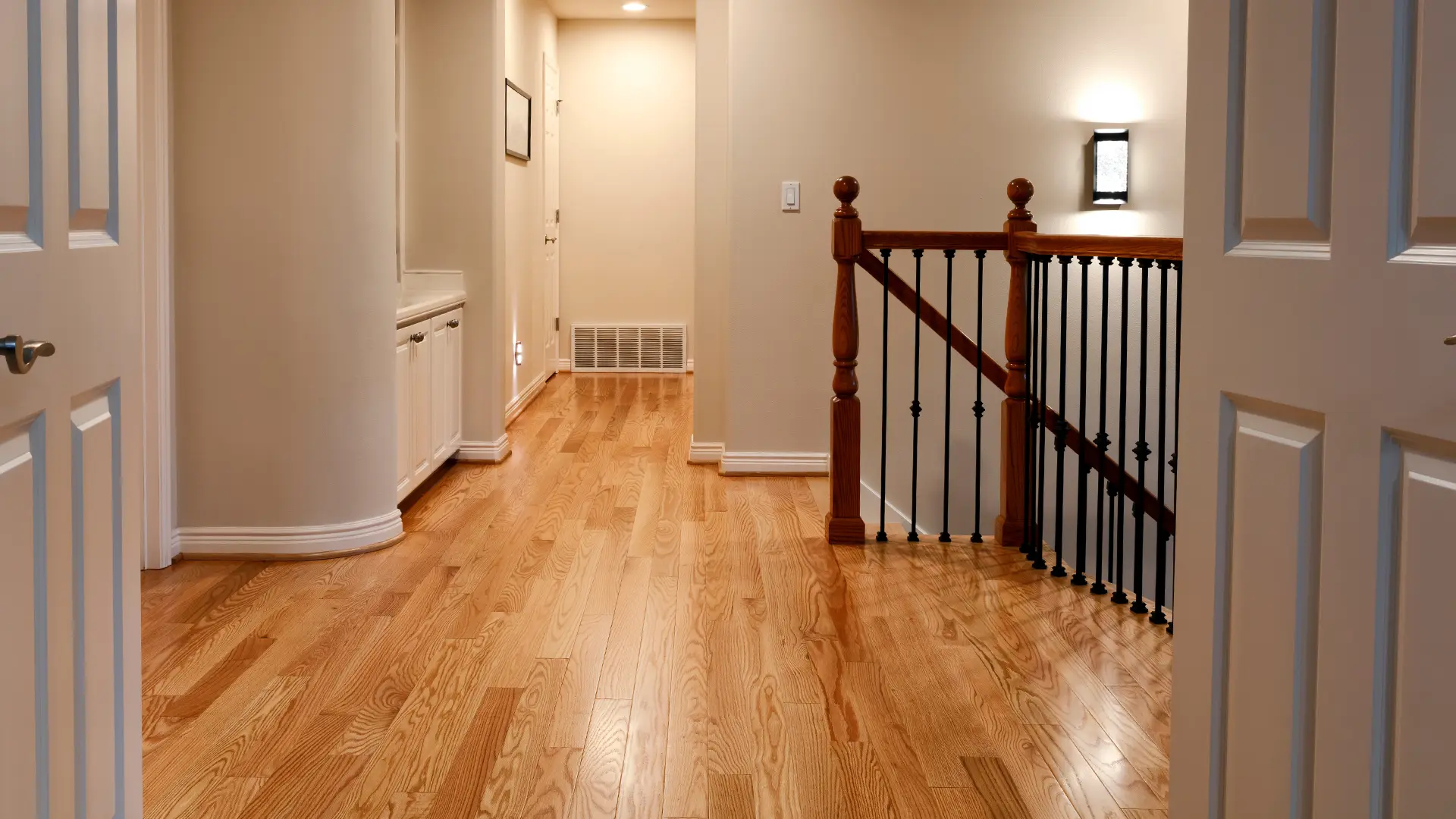
White Oak vs. Red Oak Flooring: Which Is Best for Your Austin Home?
When it comes to hardwood flooring, few choices are as popular as white oak and red oak. Both have been trusted flooring materials for decades, offering durability, natural beauty, and long-term value. However, while they share the "oak" name, these two flooring options have distinct differences that can impact the overall look and performance of your home.
If you're planning a hardwood flooring project in Austin, understanding the characteristics of white oak and red oak can help you choose the best fit for your style, lifestyle, and budget. Let's take a closer look at how these hardwood favorites compare.
Understanding White Oak and Red Oak
White oak and red oak come from different species of oak trees, giving them unique appearances and performance characteristics. Both are considered excellent hardwood flooring materials, but they appeal to different design preferences.
Historically, red oak was the most common choice in American homes. In recent years, however, white oak has surged in popularity, especially among homeowners seeking a more contemporary aesthetic.
While both options are durable and attractive, the differences become noticeable when you compare their color, grain patterns, hardness, and design versatility.
Appearance: Color and Overall Style
One of the biggest differences between white oak and red oak flooring is color.
White Oak Flooring
White oak tends to have cooler undertones with shades ranging from light beige to medium brown. Some planks may feature subtle gray or taupe undertones, making white oak particularly appealing for modern and transitional interiors.
Because of its neutral appearance, white oak works well with many of today's popular design trends, including:
- Modern farmhouse
- Scandinavian-inspired interiors
- Contemporary homes
- Minimalist designs
- Coastal aesthetics
Its versatility allows homeowners to create bright, airy spaces while maintaining the warmth of natural wood.
Red Oak Flooring
Red oak features warmer undertones with hints of pink, red, or amber. These warmer hues can create a welcoming, traditional appearance that many homeowners still love.
Red oak often complements:
- Traditional interiors
- Craftsman-style homes
- Rustic designs
- Classic American architecture
While red oak can still work in modern homes, its natural warmth tends to make it more associated with traditional design styles.
Grain Pattern Differences
The grain pattern is another area where white oak and red oak differ significantly.
White Oak Grain
White oak typically has a straighter, more uniform grain pattern. This cleaner appearance creates a sophisticated and refined look that many homeowners prefer for contemporary spaces.
The grain is noticeable without being overly busy, allowing furniture and décor to take center stage.
Red Oak Grain
Red oak generally has a more pronounced grain pattern with stronger visual movement throughout the wood. This gives the floor more character and texture.
Homeowners who appreciate traditional hardwood aesthetics often prefer red oak because its grain patterns make the wood feel rich and distinctive.
Durability and Hardness
Austin homeowners often look for flooring that can handle pets, children, entertaining, and everyday wear. Fortunately, both white oak and red oak are durable options.
According to the Janka Hardness Scale, which measures wood resistance to dents and wear:
- White oak scores approximately 1,360
- Red oak scores approximately 1,290
While white oak is technically harder, the difference is relatively small in everyday use. Both flooring types perform well in active households when properly maintained.
However, white oak's slightly greater hardness can provide a modest advantage in high-traffic areas.
Moisture Resistance
Central Texas homeowners often deal with seasonal humidity fluctuations, making moisture resistance an important consideration.
White oak has a tighter grain structure than red oak, which makes it naturally more resistant to moisture penetration. This characteristic is one reason white oak is commonly used in applications where water resistance is beneficial.
While neither flooring type should be considered waterproof, white oak may perform slightly better when exposed to Austin's changing humidity levels.
Stain and Finish Options
Both white oak and red oak can be stained in a wide variety of colors, but they respond differently to certain finishes.
White Oak and Modern Finishes
White oak accepts cooler stains exceptionally well. Popular colors such as:
- Light natural finishes
- Gray tones
- Greige finishes
- Whitewashed looks
often appear more consistent and attractive on white oak.
This flexibility has contributed significantly to white oak's popularity in modern home design.
Red Oak and Traditional Finishes
Red oak tends to excel with warmer stain colors, including:
- Honey tones
- Golden browns
- Rich walnut shades
- Traditional medium stains
Its natural warmth enhances these colors and creates a classic hardwood appearance.
Cost Considerations
Pricing can vary based on availability, grade, plank width, and market conditions, but white oak is often slightly more expensive than red oak.
The increased demand for white oak in recent years has contributed to its higher price point in many markets.
For homeowners working within a strict budget, red oak may provide excellent value while still delivering the beauty and durability associated with hardwood flooring.
Which Flooring Works Best for Austin Homes?
Austin homes come in many styles, from historic neighborhoods and Hill Country retreats to newly constructed contemporary residences.
White oak is often the preferred choice for homeowners seeking:
- Modern aesthetics
- Neutral color palettes
- Wide plank flooring
- Minimalist design elements
- Increased moisture resistance
Red oak is frequently selected by homeowners who prefer:
- Traditional interiors
- Warm color schemes
- Distinctive grain patterns
- Budget-friendly hardwood options
- Classic hardwood character
Ultimately, both flooring options perform exceptionally well in Austin homes when professionally installed and properly maintained.
Making the Right Choice for Your Home
The decision between white oak and red oak comes down to your personal style, budget, and long-term goals. If you're drawn to contemporary design trends and subtle wood tones, white oak may be the ideal choice. If you prefer warmth, character, and traditional appeal, red oak remains an excellent option.
Before making a final decision, it's helpful to view samples in your home under natural and artificial lighting. Flooring can look dramatically different depending on room size, wall colors, and sunlight exposure.
Ready to Upgrade Your Hardwood Floors?
Choosing between white oak and red oak is easier when you have guidance from experienced flooring professionals. At Hardwood Flooring Services, we help Austin-area homeowners select hardwood flooring that complements their homes, lifestyles, and design goals. Whether you're planning a new installation, replacing existing floors, or exploring your options, our team is here to help. Contact us today to schedule a consultation and discover the perfect hardwood flooring solution for your home.