
The Best Cleaners for Hardwood Flooring (and Which to Avoid)
Hardwood floors can completely transform the look and feel of a home, but keeping them beautiful requires the right cleaning routine. Many homeowners unintentionally damage their hardwood floors by using harsh products, too much water, or cleaning tools that slowly wear down the finish The good news is that hardwood flooring is relatively easy to maintain once you understand which cleaners are safe and which products should stay far away from your floors.
If you want your hardwood flooring to maintain its shine, color, and durability for years to come, choosing the right cleaning products matters just as much as regular maintenance. Here’s what you should know about the best cleaners for hardwood flooring and the products that can do more harm than good.
Start With the Manufacturer’s Recommendations
Before buying any hardwood floor cleaner, it’s a good idea to check the recommendations from your flooring manufacturer or installer. Different finishes and wood types can react differently to certain products. Some hardwood floors have polyurethane finishes, while others may have oil-based or specialty coatings that require specific care.
Using the wrong cleaner could dull the finish, leave behind residue, or even void certain flooring warranties. If you are unsure what type of finish your hardwood floors have, a flooring professional can help identify the best cleaning approach.
The Best Types of Hardwood Floor Cleaners
When it comes to cleaning hardwood floors, gentle productsare usually the safest and most effective option.
pH-Neutral Hardwood Floor Cleaners
One of the best choices for hardwood flooring is a pH-neutral cleaner specifically made for wood surfaces. These products are designed to remove dirt and grime without stripping the floor’s protective finish.
pH-neutral cleaners are effective for regular maintenance and are less likely to leave behind streaks or residue. They are also safe for most sealed hardwood floors when used according to directions.
Spray Hardwood Floor Cleaners
Ready-to-use spray cleaners are another popular option because they are convenient and easy to control. Instead of saturating the floor with water, you can lightly spray small sections and wipe them clean with a microfiber mop.
This method helps prevent excess moisture from sitting onthe wood surface, which is one of the biggest risks to hardwood flooring.
Microfiber Mops and Dust Mops
Technically not cleaners, but just as important, microfiber mops are one of the safest tools for hardwood floors. They effectively trap dust, pet hair, and dirt without scratching the surface.
Dry dust mopping several times a week can reduce buildup and help prevent tiny scratches caused by dirt and debris being tracked across the floor.
Natural Cleaning Options
Some homeowners prefer natural cleaning methods instead of store-bought products. While there are safe DIY approaches, it’s important to be cautious.
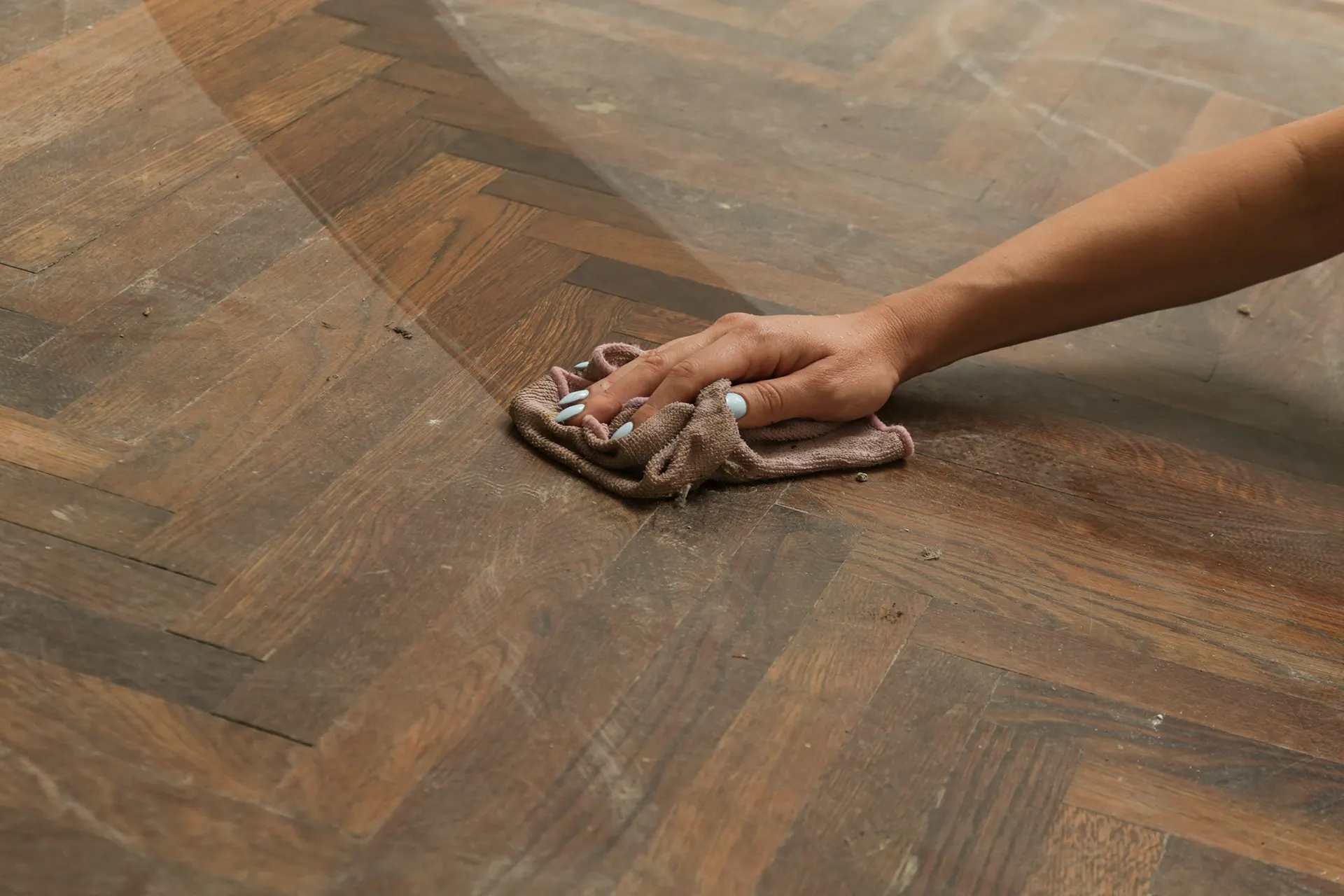
A lightly damp microfiber cloth with warm water can handle small messes effectively. In some cases, a very diluted mixture of mild dish soap and water may work for spot cleaning. However, less is more when it comes to moisture on hardwood floors.
Natural cleaning methods should always be tested in a small, hidden area first to ensure they do not affect the finish.
Cleaners and Products to Avoid
Not every cleaner marketed as “multi-surface” is safe for hardwood flooring. Some common household products can cause permanent damage over time.
Vinegar and Acidic Cleaners
Many online cleaning tips recommend vinegar for hardwood floors, but most flooring professionals advise against it. Vinegar is acidic, and repeated use can slowly wear away the floor’s protective finish.
Once the finish begins to break down, the wood underneath becomes more vulnerable to scratches, moisture, and discoloration.
Steam Mops
Steam mops are one of the most controversial cleaning tools for hardwood flooring, but in most cases, they should be avoided. The heat and moisture produced by steam can penetrate seams and damage the wood over time.
Even if the floor appears sealed, repeated steam exposure can lead to warping, swelling, or weakening of the finish.
Oil Soaps and Wax-Based Products
Oil soaps and wax cleaners may temporarily create shine, but they often leave behind residue that builds up over time. This buildup can make floors appear dull and may complicate future refinishing projects.
Some wax products can also create uneven textures or slippery surfaces that are difficult to remove.
Abrasive Cleaning Tools
Steel wool, stiff scrub brushes, and rough cleaning pads should never be used on hardwood floors. These materials can scratch the finish and leave visible damage behind.
Instead, stick to soft microfiber cloths or mops designedspecifically for hardwood surfaces.
Tips for Keeping Hardwood Floors Cleaner Longer
Using the right cleaner is important, but preventative maintenance also plays a major role in protecting hardwood flooring.
A few simple habits can make a big difference:
- Sweep or dust mop regularly to remove dirt and debris
- Place mats near entryways to reduce tracked-in dirt
- Clean spills immediately to prevent moisture damage
- Use felt pads under furniture legs
- Keep pet nails trimmed to minimize scratches
By reducing wear and buildup, you can limit how often deep cleaning is needed.
How Often Should Hardwood Floors Be Cleaned?
Dry dust mopping or sweeping can usually be done several times a week, especially in high-traffic areas. Damp cleaning with a hardwood-safe cleaner is typically needed less frequently depending on household activity.
Over-cleaning with excessive moisture or harsh products can actually shorten the lifespan of your floor’s finish, so gentle and consistent care is the best approach.
Protect Your Hardwood Investment
Hardwood flooring is a long-term investment, and proper cleaning helps preserve its appearance and durability. Using safe, hardwood-friendly products and avoiding damaging cleaners can help your floors maintain their beauty for decades.
A simple, consistent maintenance routine is often all it takes to keep hardwood floors looking clean, polished, and well cared for.
Need Help Restoring or Maintaining Your Hardwood Floors?
At Hardwood Flooring Services, we help homeowners keep their hardwood floors in excellent condition with professional refinishing, repairs, and expert flooring advice. Whether your floors need routine maintenance guidance or full restoration, our team is here to help. Contact us today to schedule a consultation and learn more about protecting the beauty of your hardwood flooring.